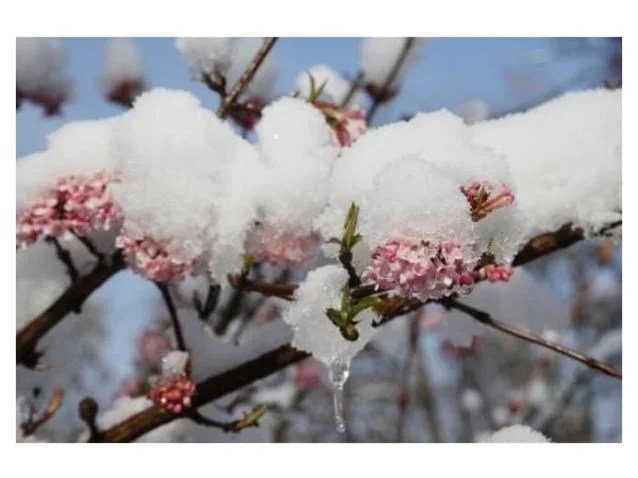
Haiku, with its deceptively simple 5-7-5 syllable structure, has captivated poets and readers for centuries. It's a tiny window into a moment, a whisper of nature, or a flash of emotion. But what if you could effortlessly unlock endless creative possibilities for your haikus, tapping into a wellspring of inspiration on demand? This is where strategic prompts and artificial intelligence step in, transforming the way we approach haiku generation. Let's explore how you can harness AI to become a prolific and profound haiku poet.
At a Glance: Your Quick Guide to AI Haiku Generation
- Spark Creativity: Use specific, imaginative prompts to ignite AI's poetic capabilities.
- Theme & Emotion are Key: Guide AI with clear themes (nature, city, memory) and emotional tones (joyful, reflective, longing).
- Iterate and Refine: Don't settle for the first output; ask for variations, adjustments, or specific improvements.
- Specificity Wins: The more detailed your prompt, the more vivid and personalized the haiku.
- Embrace Collaboration: Think of AI as your co-pilot, not a replacement. Tweak and personalize its creations.
- Explore Diverse Themes: Experiment with nature, emotions, seasons, personal reflections, and even abstract concepts.
The Enduring Allure of Haiku, Supercharged by AI
Haikus are more than just short poems; they are vignettes, typically three lines with a 5-7-5 syllable structure, designed to paint a vivid picture or capture a fleeting moment. Originating in Japan, they often focus on nature—cherry blossoms, quiet mornings, winter's chill—but their power lies in their ability to evoke deep feeling and imagery with minimal words.
For some, the strict syllable count can feel like a constraint, a barrier to spontaneous expression. For others, finding that perfect moment or unique perspective feels elusive. This is precisely where AI, like ChatGPT, becomes an invaluable creative partner. It doesn't replace your poetic spirit; it amplifies it, providing fresh angles, linguistic possibilities, and endless prompts to kickstart your imagination. Think of it as having a tireless brainstorming buddy who never runs out of ideas, always ready to help you craft that next evocative haiku.
Why AI is Your Ultimate Haiku Muse
Using AI for poetic generation, especially for something as structured yet expressive as haiku, brings a host of compelling advantages. It's not just about speed; it's about expanding your creative horizons.
Instant Inspiration & Endless Variety
Staring at a blank page, waiting for inspiration to strike, can be daunting. AI instantly overcomes this hurdle. By providing a simple theme, you receive a haiku in seconds. Want another? Just ask. This rapid ideation allows you to explore countless themes and styles without the typical creative block. Whether you're depicting landscapes, weather, wildlife, or even the feeling of quiet solitude, AI can generate a diverse range of interpretations, pushing your creative boundaries.
Boosting Confidence and Breaking Barriers
For budding poets, the act of writing can be intimidating. AI offers a low-stakes environment to experiment. It provides a base, a starting point that you can tweak, personalize, and build upon. This collaborative process can significantly boost writing confidence, making poetry less about perfect initial drafts and more about iterative refinement. It democratizes poetry, allowing anyone to engage with the art form, regardless of their prior experience.
A Catalyst for Unexpected Poetic Expression
AI doesn't think like a human, and that's its strength. It can combine ideas, words, and concepts in novel ways, leading to unexpected and sometimes delightful poetic twists. You might prompt it for a haiku about a bustling city, and it might return a line that focuses on the "silent hum" beneath the noise—a perspective you hadn't considered. This collaboration with AI can lead to truly unique and innovative haikus you might not have discovered on your own.
Crafting Your First AI Haiku: A Step-by-Step Guide
Getting started with AI for haiku generation is remarkably straightforward. The key is to think of your prompt as a conversation with a creative assistant.
1. Start with a Clear Theme or Emotional Context
Your initial instruction should give the AI a clear direction. What do you want your haiku to be about? Don's just say "write a haiku." Be specific.
- Theme Examples: "Write a haiku about the ocean at sunset." "Generate a haiku about a quiet morning in nature." "Compose a haiku about the beauty of a single flower."
- Emotional Context: You can layer emotions onto your theme. "Write a haiku about the ocean at sunset, evoking a feeling of joyful reflection." "Create a haiku about a rainy day, focusing on longing."
The more guidance you provide upfront, the better the AI can align its output with your vision.
2. Specify the Structure (If Necessary)
While most modern AIs are trained on creative writing and often understand haiku implicitly, it never hurts to be explicit, especially if you're aiming for strict adherence.
- Example Prompt: "Generate a 5-7-5 syllable haiku about the first snowfall, evoking warmth."
3. Refine and Iterate
Rarely is the first output perfect. This is where the magic of iteration comes in. Don't hesitate to ask for variations or adjustments.
- Example Scenario:
- Your Prompt: "Write a haiku about a tranquil beach scene."
- AI Output: "Waves gently whisper, / Sands warm beneath sun's soft kiss, / Gulls cry in the blue."
- Your Refinement: "Make it more about tranquility and less about sounds."
- AI Output: "Smooth sands softly sleep, / Ocean breathes a quiet sigh, / Peace in sun's warm light."
You can ask for changes in mood ("Make it more introspective"), specific imagery ("Add a twist at the end with a hidden shell"), or even a complete stylistic overhaul ("Try it in a more melancholic tone").
4. Inject Your Personal Touch
AI is a tool, not a replacement for your voice. Once you have a good starting point, feel free to modify lines, swap words, or add your own unique observations. This blending of AI-generated content with your personal style is where truly meaningful poetry emerges. You might even provide your own lines or ideas for the AI to incorporate into its structure.
Beyond the Basics: Masterful Prompts for Vivid Haikus
To truly leverage AI, you need to move beyond generic prompts. Think like a director setting a scene, giving the AI rich details to work with.
Incorporating Sensory Details
The best haikus often engage multiple senses. Prompting for these details can elevate AI's output.
- "Write a haiku that captures the scent of pine needles and the sound of a distant owl in a winter forest."
- "Create a haiku about a summer sunrise, focusing on vibrant colors and the feeling of new warmth."
Layering Themes and Concepts
Don't be afraid to combine elements that might not seem obvious. This can lead to surprisingly profound results.
- "Generate a haiku inspired by an unforgettable childhood memory, but frame it with the melancholic beauty of a rainy day."
- "Describe the changing seasons with a haiku focused on fall, reflecting on the brevity of youth."
Challenging AI with Specific Scenarios
Give the AI a unique constraint or perspective to work from.
- "Write a haiku about a sunset viewed from a mountain peak, emphasizing the vastness of the world."
- "Create a haiku that reflects the essence of a bustling city, as seen through the eyes of a street musician."
10 Creative Prompts to Get You Started
Here are some diverse ideas to spark your AI haiku journey, drawn from common and imaginative themes:
- Generate a haiku about a quiet morning in nature, focusing on the first light touching dew drops.
- Write a haiku inspired by an unforgettable memory from childhood, perhaps a hidden fort or a favorite game.
- Describe the changing seasons with a haiku focused on fall, specifically the crunch of leaves underfoot.
- Create a haiku that reflects the essence of a bustling city at dusk, as neon lights begin to glow.
- Compose a haiku about the beauty of a single flower, perhaps a rose or a sunflower, and its fleeting life.
- Write a haiku about the feeling of longing on a rainy day, looking out a window.
- Generate a haiku that captures the magic of a starry night, specifically the feeling of being small under an immense sky.
- Create a haiku based on a favorite book or character, without naming them directly.
- Describe a tranquil beach scene with a haiku, emphasizing the rhythmic sound of the waves.
- Write a haiku about your favorite childhood game, capturing the joy or intensity of play.
Themes to Explore with AI
The world is your oyster when it comes to haiku themes. Experiment with these categories:
- Nature-themed: Depict landscapes, weather phenomena, specific plants or animals. Think "whispers of the breeze," "silent winter night," or "golden leaves flutter."
- Emotional themes: Express feelings like love, loss, joy, melancholy, peace, or anticipation.
- Seasonal haikus: Focus on specific elements of spring blossoms, summer heat, autumn harvest, or winter's chill.
- Cultural themes: Draw inspiration from traditions, holidays, folklore, or specific cultural elements.
- Personal reflection: Use moments from your life, childhood memories, dreams, or introspective thoughts.
- Everyday life: The simple beauty of a coffee cup, a street vendor's call, or the sound of footsteps.
- Relationships: Family, friends, or even abstract connections.
- Spiritual ideas: Concepts of peace, mindfulness, or the interconnectedness of life.
- Humor: Lighthearted or witty observations.
- Special events: Birthdays, festivals, or quiet personal milestones.
- Imagination: Dreamscapes, fantastical elements, or abstract concepts.
Achieving Poetic Brilliance: Getting the Best from Your AI Partner
Using AI for haikus isn't just about what you ask, but how you ask and how you interact with the response.
Be Clear and Concise
Your prompt should be unambiguous. Avoid rambling. Get to the point.
- Good: "Write a haiku about spring flowers blossoming, capturing a sense of fresh beginnings."
- Less Effective: "Can you write something about flowers? You know, like, spring ones? And it should be nice."
Include Specific Emotions or Moods
To prevent generic outputs, tell the AI how you want the haiku to feel.
- "Capture a sense of nostalgia in this haiku about childhood playground swings."
- "Write a haiku about a stormy night, evoking fear and awe."
Break Down Complex Requests
If your vision is multi-faceted, consider prompting in stages or explicitly breaking down elements.
- "First, give me a haiku about a forest stream." (AI responds)
- "Now, add imagery of sunlight filtering through leaves and the sound of birdsong to that haiku."
Alternatively, combine: "Write a haiku about a forest stream, incorporating the imagery of sunlight filtering through leaves, the sound of birdsong, and a peaceful sentiment."
Follow Up with Adjustments
The iterative process is crucial. If the first result isn't perfect, pinpoint what needs changing.
- AI: "Green leaves softly sway, / Birds sing melodies of joy, / Warm sun lights the path."
- You: "Can you make it more mysterious? Less direct joy, more hinted wonder."
- AI: "Green leaves gently sway, / Hidden songs drift through the wood, / Light plays secret games."
Ask for Multiple Variations
Sometimes, you just need options. Prompting for several versions can give you a richer pool to choose from or combine.
- "Provide three different haikus about a winter night, each with a slightly different mood (e.g., serene, lonely, magical)."
AI's Poetic Voice: Sample Haikus & What They Reveal
Seeing AI-generated haikus in action helps illustrate their potential. Notice how they adhere to the structure while conveying imagery and emotion.
- "Whispers of the breeze, / Cherry blossoms drift like dreams, / Springtime’s soft embrace."
- Observation: Captures a gentle, ethereal spring scene, focusing on soft sensory details.
- "Golden leaves flutter, / Harvest moon in autumn’s glow, / The end of warmth near."
- Observation: Evokes the classic autumnal imagery with a hint of melancholy for the passing season.
- "Silent winter night, / Stars like diamonds in the dark, / Whispers of the cold."
- Observation: A stark, beautiful image of winter, emphasizing stillness and cold.
- "In the city’s heart, / Neon lights dance through the night, / Voices lost in time."
- Observation: Moves beyond nature, capturing the vibrant yet isolating nature of urban life.
- "A lone wolf howls soft, / Echoes through the evening mist, / Nature’s lullaby."
- Observation: Personifies nature's sounds as a comforting, wild lullaby.
These examples demonstrate AI's ability to grasp the haiku form and generate relevant, often poetic, content based on prompts.
Human vs. Machine: Where the Art Truly Lies
It's natural to wonder how AI-generated haikus stack up against those crafted by human hands. It's not a competition, but rather a collaboration.
AI-generated haikus often possess a unique, algorithm-driven style. They can quickly produce variations and explore unconventional angles, sometimes leading to surprising and delightful linguistic combinations. They are excellent at adhering to structural rules and drawing on vast datasets of language to find suitable words and phrases. In this sense, AI can be an incredible creative partner, providing a springboard for ideas and demonstrating how different concepts can be expressed within the haiku form. For even more help, you might consider using Our haiku poem generator for instant inspiration.
However, human-crafted haikus bring an undeniable depth of emotional resonance and personal experience. A human poet weaves nuanced feelings from lived experiences, memories, and profound insights that AI, by its nature, cannot truly "feel." The specific choice of a single word, the subtle break between lines, or the underlying philosophical weight often reflects a lifetime of observation and empathy. While AI can simulate these elements, the raw, authentic emotion often distinguishes human poetry. The true art lies in the synergy: using AI as a tool for initial creation and iteration, then infusing it with your unique human touch and emotional depth.
Navigating the Pitfalls: Common Mistakes to Avoid When Using AI for Haikus
While AI is a powerful ally, it's not foolproof. Steering clear of common errors will ensure you get the most out of your collaborative poetic journey.
1. Being Too Vague
Providing insufficient context is the quickest way to receive generic, uninspired haikus. AI needs specific parameters to perform at its best.
- Mistake: "Write a haiku about winter."
- Better: "Create a haiku about the first snowfall in winter, evoking feelings of warmth and anticipation for the holidays."
2. Overlooking Structural Integrity
While AI is smart, it can sometimes prioritize poetic flair over strict adherence to the 5-7-5 syllable count, especially with complex prompts. Always check the output and remind it if needed.
- Mistake: Assuming AI will always get the syllable count perfect without checking.
- Better: "Generate a 5-7-5 syllable haiku about a blossoming cherry tree. Make sure to count the syllables carefully." Or, if an output is off: "That's a beautiful haiku, but the second line has 8 syllables. Can you adjust it to 7?"
3. Defaulting to Clichés
AI learns from vast amounts of text, which often includes common phrases and clichés. Without specific guidance, it might revert to them.
- Mistake: "Write a haiku about a beautiful sunset." (Might get "Orange sky fades slow, / Day turns into peaceful night, / Stars begin to gleam.")
- Better: "Write a haiku about a sunset viewed from a remote desert, emphasizing the vast emptiness and quiet majesty."
4. Relying Solely on AI Outputs
The goal isn't to simply copy-paste what the AI generates. The true power comes from using AI as a starting point and then injecting your personal style, refining the language, and ensuring the haiku resonates with your intended meaning and emotion. AI can boost your writing confidence by providing a base for tweaking, but the final, meaningful touches are yours alone.
5. Forgetting to Experiment
Sticking to the same types of prompts or themes will yield similar results. Push the boundaries, try abstract concepts, or ask for haikus from unusual perspectives. Experiment with different styles and themes—from the poetic intricacies of contoh puisi cinta to the narrative depth of a short story.
Your Haiku Questions, Answered
Let's address some common queries about using AI for haiku generation.
Can ChatGPT understand traditional haiku structure (5-7-5 syllables)?
Yes, absolutely! With clear instructions, AI models like ChatGPT are capable of adhering to the 5-7-5 syllable format. It's often helpful to explicitly state "Generate a 5-7-5 haiku" in your prompt, and then verify the syllable count in the output, requesting revisions if necessary.
How can I improve the quality of haikus generated by ChatGPT?
The key is in crafting detailed, specific prompts. Provide context, desired themes, specific moods, sensory details (sights, sounds, smells), and even a unique perspective. The more information you give, the better the AI can tailor its output. Don't forget to follow up with refinement prompts!
Can I use ChatGPT for other forms of poetry?
Yes, the same principles of clear prompting, specifying structure, themes, and emotional tone apply to many other forms of poetry, such as sonnets, limericks, free verse, or even contoh puisi sederhana. AI can adapt to different poetic structures and styles with the right guidance.
How do ChatGPT haikus compare to those written by professional poets?
AI-generated haikus offer incredible creativity and inspiration, quickly producing varied and well-structured poems. However, human poets bring a unique depth of emotional experience, personal insight, and nuanced understanding of the human condition that AI cannot replicate. While AI is a powerful tool for generating ideas and drafts, the truly profound and deeply resonant haikus often have the irreplaceable human touch. Consider it a collaborative effort where AI provides the canvas and preliminary strokes, and you add the soul.
What if I don't know much about writing haikus myself? Can ChatGPT help me learn?
Absolutely! Don't hesitate to ask ChatGPT for explanations or examples about haiku writing itself. You can prompt it with questions like, "What are the common themes in haiku?" or "Can you explain the significance of 'kireji' (cutting word) in traditional haiku?" This makes AI a valuable educational tool as well. For those curious about the broader spectrum of poetry, AI can also provide insights into various forms, even offering contoh puisi pendek to illustrate concepts.
Embrace the Journey: Your Path to AI-Assisted Poetic Expression
The world of poetry is vast and beautiful, and with tools like AI, it's more accessible than ever. Prompts and inspiration for haiku generation using AI aren't about replacing human creativity; they're about augmenting it, providing a fertile ground for ideas to blossom.
Whether you're a seasoned poet looking for new angles or a complete novice eager to dip your toes into the poetic waters, AI offers a dynamic and engaging way to explore the art of haiku. Experiment, play, and iterate. Let the AI be your guide, your collaborator, and your muse. The most meaningful haikus will be those that blend AI's expansive linguistic capabilities with your unique perspective, emotions, and personal flair. So, go forth and compose; the next evocative haiku awaits.